

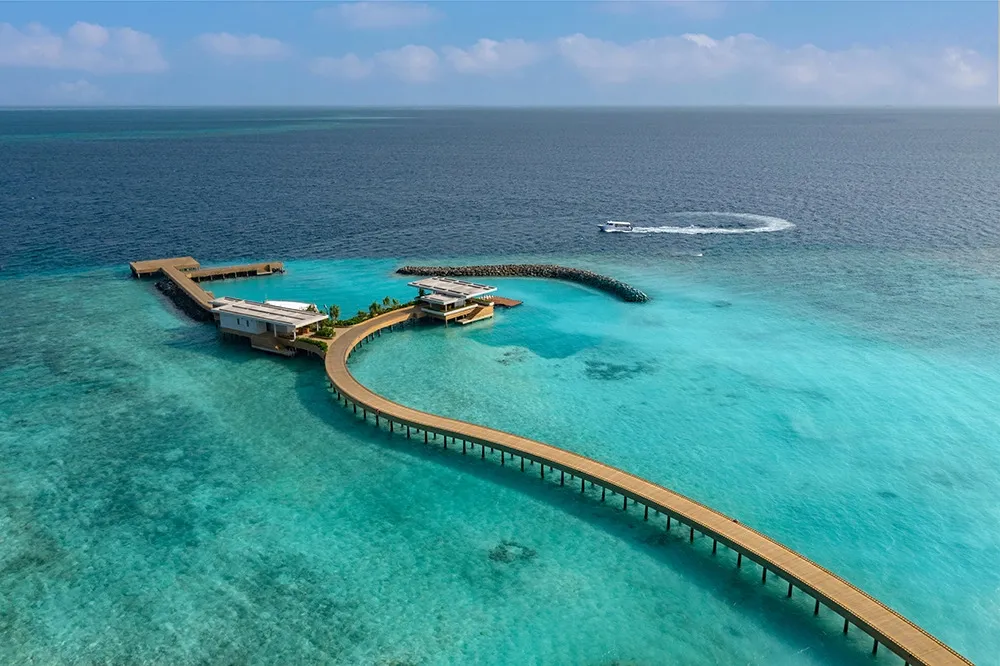
The global beach resort industry is entering a transformative era. Once defined by indulgence and exclusivity, it is now evolving into a movement driven by innovation, environmental responsibility, and experiential design. Modern travelers are no longer content with traditional luxury—they expect purpose, personalization, and sustainability seamlessly woven into their experience. The beach resort of tomorrow isn’t just a place to relax; it’s a living ecosystem that balances comfort with conscience.
The Evolution of the Modern Beach Resort
Beach resorts have long symbolized escape and relaxation, but the definition of luxury has changed dramatically. Today, sustainability and technology have become integral to the new hospitality narrative. Guests want to know how their stay impacts the environment and the communities surrounding it.
Modern resorts are moving away from “bigger is better” to “smarter and greener is better.” This shift includes architectural innovations that blend with natural landscapes, operations powered by renewable energy sources, and designs that promote local culture and biodiversity.
Travelers are also gravitating toward exclusive, experience-centric stays rather than cookie-cutter luxury. They seek interactions with local artisans, farm-to-table dining, coral restoration projects, and eco-tours that connect them with nature. This evolution marks a shift from consumption-based tourism to regenerative tourism, where each visit contributes positively to the ecosystem.
Smart Technology and Digital Integration
Technology is no longer just a convenience—it’s the backbone of modern hospitality. Smart beach resorts are now integrating digital systems to enhance guest comfort, streamline operations, and support sustainability.
Smart Rooms and AI-Driven Personalization
Resorts are leveraging AI-driven personalization to anticipate guest needs. Rooms automatically adjust temperature, lighting, and entertainment preferences based on previous stays. Voice-controlled assistants provide real-time updates on tides, dining options, and wellness programs, offering guests a seamless, intuitive experience.
Contactless Technology and Virtual Concierge Services
Post-pandemic travel trends have accelerated the adoption of contactless check-ins, mobile room keys, and digital concierge platforms. These not only improve safety but also reduce paper waste, aligning with eco-conscious goals. Guests can order services, book excursions, or schedule spa treatments through resort apps—simplifying convenience while minimizing environmental impact.
Immersive Experiences with Augmented Reality
Some high-end resorts now use augmented reality (AR) to enhance guest engagement. Imagine scanning a coral reef map and viewing a 3D model of marine life before diving, or using AR to explore the history and culture of the local fishing villages. Such integrations deepen guest connection and education while adding an innovative edge.
Sustainable Architecture and Eco-Inspired Design
One of the most visible transformations in the resort industry is architectural. Developers are embracing biophilic design principles—structures inspired by and integrated with the surrounding environment.
-
Locally sourced materials such as bamboo, reclaimed wood, and coral stone reduce construction emissions.
-
Floating villas and overwater bungalows are being re-engineered using low-impact foundations to protect marine life.
-
Passive cooling systems and solar-shaded facades replace energy-intensive air conditioning.
-
Water conservation methods, including rainwater harvesting and desalination systems, are now standard in top-tier resorts.
The result is not only an aesthetic masterpiece but a functional symbiosis with nature, where architecture complements rather than competes with the landscape.
Renewable Energy and Green Operations
Sustainability extends beyond design into the operational core of beach resorts. Many have transitioned to solar, wind, and tidal energy, drastically cutting their carbon footprint.
Energy-efficient technologies—such as LED lighting, smart HVAC systems, and motion sensors—reduce unnecessary energy consumption. Some resorts even operate as carbon-neutral entities, offsetting emissions through reforestation projects or marine restoration initiatives.
Water conservation is another priority. Resorts are integrating closed-loop water systems, greywater recycling, and seawater filtration for irrigation and maintenance. Waste management has evolved too, with many properties achieving zero-waste certifications by eliminating single-use plastics and composting organic waste.
Experiential Travel and Regenerative Tourism
Guests today are not just tourists—they are conscious travelers seeking authenticity. The most successful resorts have recognized this shift and are crafting immersive, regenerative experiences that enrich both the guest and the destination.
Cultural Immersion
Modern beach resorts collaborate with local artisans, chefs, and performers to bring guests closer to the community’s traditions. From handwoven décor elements to locally inspired gastronomy, every detail tells a cultural story.
Marine and Ecological Restoration Programs
Some beach resorts have become hubs for marine conservation and ecological education. Guests can participate in coral planting, beach clean-ups, or turtle-hatching programs, making their stay both memorable and meaningful. This form of purposeful participation transforms leisure into legacy.
Wellness and Mindful Travel
The modern traveler values wellness as deeply as adventure. Resorts are responding with mindfulness-based experiences—beach yoga, sound therapy, ocean meditation, and organic spa treatments that connect body and environment. The emphasis is on holistic rejuvenation, aligning with the rising trend of eco-wellness retreats.
The Role of Artificial Intelligence in Guest Experience
AI is revolutionizing guest engagement. From predictive booking algorithms to emotion-based service design, resorts can now personalize experiences with unprecedented precision. AI analyzes guest preferences—favorite cocktails, sunrise yoga schedules, preferred pillow types—and tailors the stay accordingly.
Predictive analytics also optimize resort operations by forecasting demand, managing energy use, and reducing food waste. The combination of AI-driven insights and sustainability metrics ensures that each guest receives bespoke luxury without compromising environmental ethics.
The Rise of Private Island Resorts and Micro-Resorts
Another emerging trend is the shift from massive resorts to micro-resorts and private island getaways. These exclusive properties emphasize privacy, personalization, and ecological harmony.
Micro-resorts typically feature fewer than 20 villas, allowing for a higher staff-to-guest ratio and meticulous attention to detail. They use limited land space, adopt renewable energy, and encourage low-impact tourism. The smaller scale enables curated experiences like personalized wellness programs, private chef dining, and secluded water adventures.
Future Outlook: The Intelligent, Regenerative Resort
The next decade will witness the rise of intelligent, regenerative resorts—properties that not only preserve nature but actively restore it. Expect innovations such as:
-
AI-driven energy grids optimizing power distribution in real time.
-
Blockchain-based sustainability tracking for full transparency in sourcing and waste management.
-
Underwater eco-labs where guests can witness coral restoration in progress.
-
Floating solar panels integrated into resort lagoons to power entire facilities.
These forward-thinking resorts will redefine the essence of luxury—not as excess, but as responsible indulgence grounded in technology and ecological awareness.
FAQs
1. What is the main difference between sustainable and regenerative beach resorts?
Sustainable resorts focus on reducing harm to the environment, while regenerative resorts actively restore and enhance ecosystems, creating a positive environmental impact.
2. How do smart technologies improve the guest experience at beach resorts?
Smart systems personalize temperature, lighting, entertainment, and even dining options, ensuring every stay is comfortable, efficient, and tailored to guest preferences.
3. Are eco-friendly resorts more expensive than traditional ones?
Initially, they may seem pricier, but energy efficiency, renewable energy, and waste reduction often lower operational costs, making them competitive long-term.
4. How do beach resorts support marine life conservation?
Many resorts engage in coral reef rehabilitation, turtle conservation, and educational programs that raise awareness among visitors.
5. What role does local culture play in modern beach resorts?
Local culture is now central to resort identity—reflected in architecture, cuisine, décor, and guest experiences that celebrate community heritage.
6. How do micro-resorts differ from large-scale beach resorts?
Micro-resorts emphasize exclusivity and sustainability with fewer guests, personalized services, and minimal ecological footprint compared to large commercial resorts.
7. What is the future trend shaping luxury coastal tourism?
The future lies in tech-enabled, regenerative luxury, where intelligent design, AI integration, and sustainability converge to create transformative, eco-conscious escapes.