

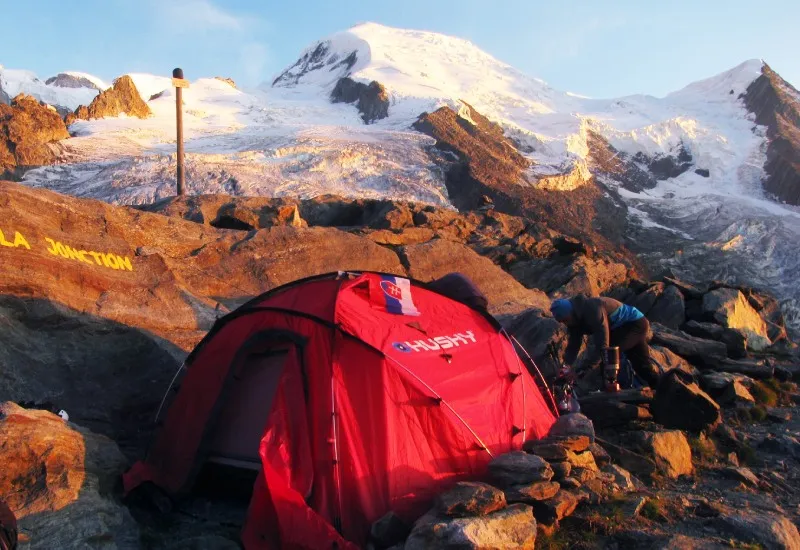
Camping is not just about tents, trails, and bonfires—it’s an intimate dance with silence and self-awareness. Among the many forms of outdoor experiences, solitude camping stands apart as one of the most profound and transformative. It’s not for beginners chasing checklists; it’s for those who seek a deeper mental and emotional connection with nature. This form of camping is where the wilderness becomes a mirror, reflecting the inner workings of your mind and emotions.
Understanding Solitude Camping Beyond the Basics
Solitude camping goes far beyond the idea of camping alone. It’s a psychological reset, a conscious decision to withdraw from human interaction and digital noise to reconnect with yourself. Unlike social camping, where group dynamics dictate the pace, solitude camping is guided by intuition and mindfulness. It’s about being in tune with natural rhythms—waking with the sunrise, listening to your heartbeat against the wind, and finding peace in absolute stillness.
Campers who choose solitude aren’t escaping life; they’re returning to it in its rawest form. The quiet moments beside a lake or deep in a forest act as catalysts for introspection. You start to notice subtle details—the hum of insects, the sway of trees, the rhythm of your breathing. Over time, this heightened awareness nurtures both mental clarity and emotional resilience.
The Neuroscience Behind Silence and Solitude
The human brain wasn’t built for constant stimulation. Studies in neuroscience show that periods of intentional solitude reduce cortisol levels, the hormone responsible for stress. When the brain disconnects from digital noise and social expectations, it enters what psychologists call the Default Mode Network (DMN)—a state of rest where self-reflection and creativity thrive.
In solitude camping, this mental downtime becomes amplified. The absence of chatter and screens allows the mind to wander freely, forming new neural connections. This is why many campers report experiencing creative breakthroughs, emotional healing, and profound insights after a few days alone in nature.
Even the silence itself has measurable effects. Natural silence—like the rustling of leaves or a distant bird call—activates the parasympathetic nervous system, triggering relaxation responses. It’s not just peace of mind; it’s biological rejuvenation.
Emotional Resilience: Facing Yourself in the Wilderness
Solitude camping can be emotionally challenging. Without the distraction of company or devices, you confront your unfiltered thoughts and emotions. This confrontation, though difficult, builds emotional resilience. You learn to self-soothe, adapt, and become comfortable with discomfort.
In these quiet spaces, your mind often revisits unresolved emotions or suppressed memories. Rather than running from them, solitude forces you to sit with them, understand them, and eventually release them. Over time, this process enhances emotional intelligence and inner strength.
Veteran solo campers often describe the experience as “therapeutic confrontation”—a natural form of mental detox. What begins as unease eventually transforms into empowerment.
The Role of Nature in Cognitive Restoration
Modern life depletes attention and focus through overstimulation. Solitude camping reverses this by immersing you in Attention Restoration Theory (ART)—a concept from environmental psychology that explains how nature helps restore mental energy.
When surrounded by natural stimuli—flowing water, moving clouds, shifting light—your brain engages in “soft fascination.” This gentle engagement doesn’t demand focus; it simply allows your attention to drift, recharging cognitive capacity. After a few days, your concentration, problem-solving skills, and creativity all rebound dramatically.
That’s why many writers, entrepreneurs, and artists retreat into the wild when creative blocks hit. The forest becomes their workshop; silence becomes their muse.
Practical Strategies for a Meaningful Solitude Camping Experience
To fully harness the mental and emotional benefits of solitude camping, preparation and intention are crucial. Below are some key practices to deepen the experience:
1. Choose Purpose Over Location
Select a campsite that aligns with your emotional goal. Want reflection? Choose a lakeside spot. Seeking inspiration? Try higher altitudes or wide-open valleys. The landscape should support your inner journey, not just your comfort.
2. Pack for Simplicity, Not Excess
Solitude thrives on minimalism. Bring only essentials—shelter, basic food, safety gear, and journaling materials. Overpacking invites distraction. The goal is to strip away convenience to reveal your true capacity for adaptation and self-reliance.
3. Set a Mental Intention
Before leaving, decide what you want from the experience. Clarity? Healing? Creativity? Intentional solitude transforms random quiet time into purposeful introspection.
4. Practice Mindful Silence
Avoid filling silence with music or podcasts. Let natural sounds guide your awareness. This practice strengthens presence and mindfulness, training your mind to find comfort in quiet.
5. Journal the Internal Dialogue
Document your thoughts, fears, and insights. Writing in solitude deepens self-awareness and captures the progression from anxiety to peace. Many solo campers report that journaling helps them “see” their mental evolution unfold.
6. Respect Nature’s Rhythms
Sync your schedule with the natural environment—wake at dawn, rest at dusk, eat when hungry, and move when inspired. This helps reset your circadian rhythm and reconnects your body with primal patterns lost in modern life.
7. Reflect Before You Return
Before ending the trip, take time to reflect on what you’ve learned. Write down three insights or shifts in perspective. This anchors the experience, making it easier to integrate solitude’s lessons into daily life.
The Transformational Aftermath of Solitude Camping
Returning from a solitude camping trip feels different from a typical vacation. The world looks sharper, sounds richer, and your internal dialogue is calmer. You realize that silence isn’t emptiness—it’s a space of infinite potential.
Many campers notice long-term benefits: reduced anxiety, improved focus, deeper emotional awareness, and a stronger sense of self. You carry nature’s rhythm back into your urban life, making it easier to navigate stress and chaos.
Solitude camping doesn’t just change how you interact with the wilderness—it changes how you interact with yourself and others. It’s not about isolation; it’s about integration—finding unity between mind, body, and nature.
Why Solitude Camping Matters in the Modern World
In an age where distraction has become a default setting, solitude camping is an act of rebellion. It’s a conscious rejection of noise, productivity obsession, and digital dependency. The modern mind craves silence but rarely receives it.
Solitude camping fills that void. It’s a sacred pause—a recalibration that helps you return stronger, clearer, and more present. In nature’s silence, you rediscover what it means to simply exist without performance or expectation.
FAQs About Solitude Camping
1. Is solitude camping safe for experienced campers?
Yes, with proper preparation and awareness of the environment. Always inform someone of your location and carry essential safety tools like GPS and first aid.
2. How long should a solitude camping trip last to see benefits?
Even two to three days can yield mental clarity, but extended stays of five days or more deepen the psychological impact.
3. Does solitude camping improve creativity?
Absolutely. Reduced sensory overload and enhanced mental rest stimulate new ideas and creative problem-solving.
4. What’s the best time of year for solitude camping?
Spring and autumn are ideal for comfortable temperatures and minimal crowds, enhancing the sense of isolation and connection with nature.
5. How does solitude camping affect mental health long-term?
Regular solitude experiences can lower anxiety, improve emotional regulation, and strengthen self-confidence.
6. Should solitude campers follow a routine?
A light, flexible structure helps—simple habits like morning meditation, journaling, or silent observation nurture mental stability.
7. Can solitude camping replace therapy?
It’s not a replacement for professional help, but it can complement therapy by fostering self-awareness and emotional processing in a natural setting.