

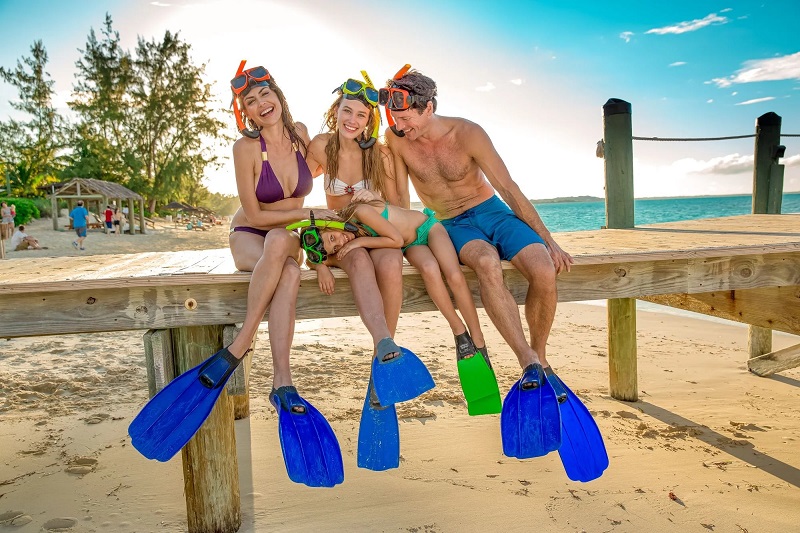
Planning a family getaway with teenagers requires walking a delicate developmental tightrope. While parents often crave an uninterrupted week of horizontal relaxation with a book and an umbrella, an itinerary built solely on passive sunbathing is an open invitation for adolescent boredom. Teenagers do not want to simply tag along on someone else’s trip. They want agency, physical challenge, genuine adventure, and social environments that respect their growing independence rather than treating them like overgrown middle schoolers.
This dynamic is where Beaches Resorts differentiates itself from the standard all-inclusive Caribbean property. Rather than confining teenagers to watered-down day camps or leaving them to pace the sand with their phones, these resorts provide a surprisingly robust infrastructure of high-octane recreation and unforced social opportunities. For teenagers who view the shoreline merely as a launching pad rather than a destination, several marquee activities transform an ordinary beach holiday into a legitimate expedition.
Comprehensive PADI Scuba Certification and Deep-Water Exploration
Most coastal resorts limit their underwater programming to a box of communal snorkeling masks and a cordoned-off swimming zone. Beaches approaches the marine environment with serious operational intent, running one of the most comprehensive resort dive operations in the Western Hemisphere.
For teens who want a tangible sense of accomplishment, the resort’s PADI scuba certification programs turn vacation downtime into a recognized life skill. Rather than spending entire afternoons scrolling on a sun lounger, teens can complete the classroom theory online prior to arrival and step directly into the pool for practical skills evaluations. From there, they move rapidly into open-water training along vibrant barrier reefs in Turks and Caicos or marine sanctuaries in Jamaica.
Diving gives adolescents something rare in family travel: true autonomy and personal responsibility. Tracking bottom time, monitoring air consumption, and communicating via underwater signals demands maturity and presence. For teens who are already certified, daily two-tank dives offer encounters with nurse sharks, stingrays, sea turtles, and historic shipwreck walls. It provides an immediate antidote to vacation lethargy by replacing passive scenery with immersive, technical exploration.
High-Velocity Water Sports Beyond the Paddleboard
Gentle ocean kayaking and basic stand-up paddleboarding have their place, but older kids and teens naturally gravitate toward speed, power, and physical coordination. Beaches integrates a full fleet of commercial motorized and wind-driven watercraft into the included amenities, bypassing the steep per-hour rental fees typical of competing properties.
Mastering the Wind on Hobie Cats
Navigating a multi-hull catamaran through coastal surf is a masterclass in physics and reflexes. Teens can take hands-on sailing lessons from licensed water-sports instructors, learning how to read wind shifts, work the mainsheet, and tack across open bays. Once proficient, they can skipper the craft themselves, heading out into turquoise waters with siblings or newfound peers.
Wakeboarding and Waterskiing Behind MasterCraft Boats
Few resort experiences match the adrenaline of carving across glass-calm morning waters behind a high-horsepower ski boat. The resort’s dedicated ski and wakeboard sessions cater to both complete novices attempting their first deep-water starts and experienced boarders looking to throw surface spins or jump wakes. The physical exertion required to hold an edge against the boat’s pull provides the exact kind of athletic burn that high-energy teenagers crave.
The Engineering of Pirates Island Waterparks
Waterparks at family resorts frequently cater to the preschool demographic with shallow wading pools and miniature dump buckets. However, the multi-acre Pirates Island Waterparks located across Beaches properties are engineered with older, thrill-seeking visitors in mind.
Towering speed slides, looping tube flumes, and dark enclosed tunnels deliver genuine velocity. At locations like Beaches Turks & Caicos, the highlight for many teens is the specialized surf simulator. Here, hundreds of gallons of water shoot up a curved padded ramp every second, simulating a continuous ocean wave. Teens can practice bodyboarding or advance to stand-up flowboarding, spending hours mastering their balance, carving turns, and sharing laughs over inevitable wipeouts.
Because the surf simulator requires balance and trial-and-error repetition, it naturally evolves into an organic gathering ground. Teens congregate along the viewing deck, trading tips, cheering each other on, and forming friendships without the awkwardness of an organized icebreaker.
Social Architecture: Spaces That Respect Teen Independence
The quickest way to alienate a sixteen-year-old on vacation is to steer them toward a children’s club filled with finger paints and costumed characters. Teens need spaces designed explicitly for their demographic, where the presence of parents is kept to a minimum and the atmosphere mirrors their actual interests.
Club Liquid: A Nightclub Experience of Their Own
In the evening, the daytime poolside gives way to Club Liquid, an under-twenty-one lounge featuring sleek modern styling, professional sound systems, dynamic lighting rigs, and dedicated mocktail bars. During earlier hours, it caters to tweens, but later in the night, the venue transforms into a strictly teen-exclusive lounge. With guest DJs, dance floors, and private cabana-style seating, it offers the social autonomy of nightlife in a completely secure, supervised resort setting.
Modern Gaming Lounges and Digital Arenas
While outdoor adventures take priority during daylight hours, having a digital refuge during peak afternoon heat or occasional tropical rain showers is essential. The dedicated Xbox Play Lounges provide rows of high-resolution gaming stations equipped with the latest multiplayer titles. It serves as a relaxed, low-pressure space where teens can step out of the sun, team up with peers on cooperative campaigns, or engage in casual tournament play before dinner.
High-Stakes Shoreline Tournaments and Athletic Training
For competitive adolescents, athletic activity does not stop simply because school is out of session. Beaches maintains high-grade athletic facilities that encourage casual pickup games as well as organized tournaments.
Regulation beach volleyball courts are active from mid-morning through evening twilight. Pickup games regularly form under the palms, drawing athletic teens, collegiate players, and resort staff into fast-paced matches on the sand. On the hard courts, lit tennis and pickleball installations offer equipment rentals and professional clinics, giving high school athletes an avenue to maintain their match conditioning while on break.
Beyond land sports, ocean-based physical challenges—such as distance paddleboard relays, sea kayak races, and open-water swimming lanes—allow endurance-minded teens to burn energy and compete against their own personal bests.
Off-Resort Island Excursions and Cultural Immersion
True exploration extends beyond the resort perimeter. Through dedicated partner tour operations like Island Routes, teens have access to off-property excursions that trade sanitized hotel corridors for the rugged topography of the Caribbean.
Catamaran snorkeling cruises take groups to remote reef systems, sandbars, and secluded coves where travelers can swim in crystalline open water. In destinations like Jamaica, excursions venture inland for river tubing along rainforest waterways, natural waterfall climbing up tiered limestone cascades, and coastal cliff-jumping platforms. Participating in these off-site adventures gives teenagers a memorable narrative to take home—one defined by tangible exploration, regional topography, and physical daring rather than another afternoon spent sitting by the pool.
When a resort provides legitimate athletic challenges, technical skill development, and dedicated social spaces, a family beach holiday ceases to be a passive compromise. It becomes an active, engaging experience that challenges adolescents, respects their developing autonomy, and keeps them fully invested from the first morning to the final flight home.