

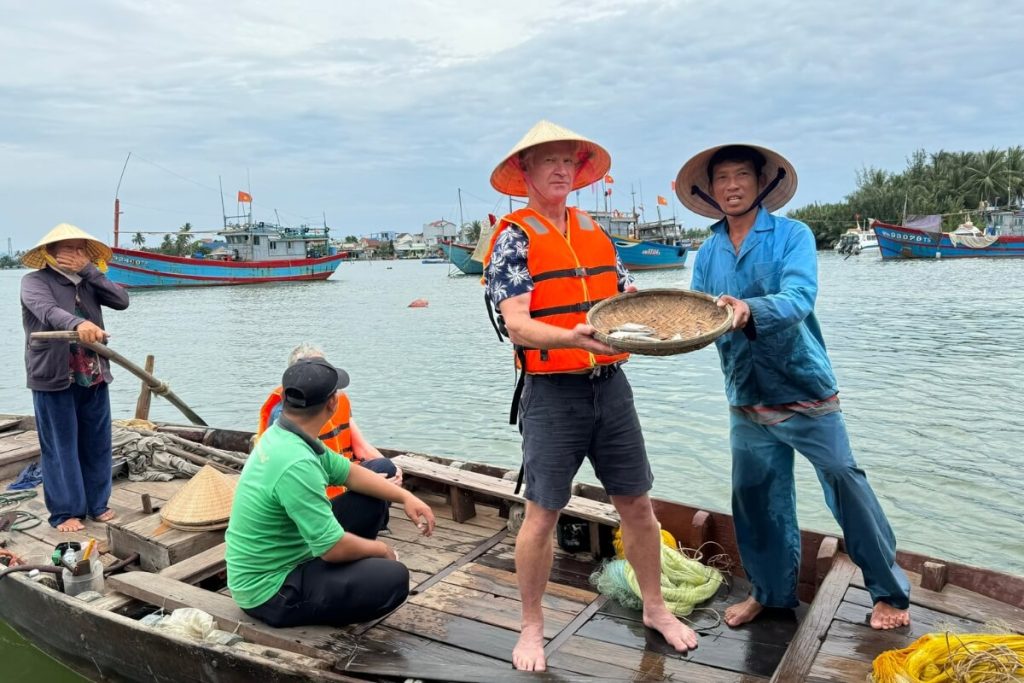
Travelling is about more than visiting famous landmarks; it also offers opportunities to understand the traditions, food, art, and everyday life of another country. A Vietnam package tour can provide a convenient way to explore the country’s cultural diversity while visiting historic cities, traditional villages, and important heritage sites. From watching a traditional performance to learning how regional dishes are prepared, cultural experiences can make a Vietnam holiday more meaningful and memorable.
Explore Hanoi’s Historic Streets
Hanoi offers an introduction to Vietnam’s history and contemporary culture. The Old Quarter is known for its narrow streets, traditional shopfronts, local markets, and lively food scene. Walking through the area allows visitors to observe daily routines and discover small businesses selling crafts, clothing, and regional products.
The Temple of Literature provides insight into Vietnam’s scholarly traditions, while museums offer opportunities to learn about the country’s history and social development. Visitors should check opening hours and any photography restrictions before entering cultural institutions.
Take time to observe local customs and respect spaces used for worship or community activities. Modest clothing may be appropriate when visiting certain religious sites.
Discover the Heritage of Hoi An
Hoi An is famous for its preserved architecture and historical connections with international trading communities. Its Ancient Town features traditional houses, assembly halls, temples, and streets illuminated by colourful lanterns.
Visitors can join guided heritage walks to learn about the town’s development and architectural influences. Local craft workshops may introduce traditional skills, including lantern making and other handmade arts.
The town is also known for its food culture. Joining a cooking class can provide insight into local ingredients and preparation techniques while offering a chance to enjoy dishes associated with central Vietnam.
Experience Vietnamese Food Culture
Food is an important part of exploring Vietnam. Regional cuisines differ in ingredients, flavours, and preparation methods, giving travellers plenty of opportunities to discover new dishes.
Pho is widely associated with Vietnamese cuisine, while banh mi combines bread with a variety of fillings. Other popular dishes include bun cha, fresh spring rolls, and regional noodle specialities.
A guided food walk can help visitors understand local dining customs and identify popular neighbourhood eateries. Travellers should communicate allergies and dietary restrictions clearly, particularly when dishes contain fish sauce, shellfish, peanuts, or other common allergens.
Watch a Traditional Water Puppet Performance
Water puppetry is a distinctive Vietnamese performance tradition associated with northern Vietnam. Puppets move across a water-filled stage while musicians and performers bring folk stories and everyday scenes to life.
Watching a performance offers an entertaining introduction to traditional storytelling, music, and rural cultural themes. In Hanoi, visitors can check local theatre schedules and reserve seats when performances are popular.
Even without understanding every word, travellers can appreciate the movement, music, costumes, and humour of the performance.
Visit Traditional Villages and Local Markets
Beyond major cities, rural communities offer opportunities to learn about regional crafts, agriculture, and local lifestyles. Depending on the destination, travellers may visit villages known for pottery, weaving, or other traditional skills.
Local markets provide another window into everyday life. They may feature fresh produce, household goods, prepared foods, and handmade products. Visitors should ask permission before photographing individuals and respect restrictions in private or sacred spaces.
When purchasing souvenirs, consider buying directly from responsible local artisans. This can support traditional skills and provide a more personal connection to the destination.
Learn About Vietnam’s History
Vietnam’s historical sites and museums help visitors understand the events that have shaped the country. In Ho Chi Minh City, the War Remnants Museum presents historical material relating to the Vietnam War. Other sites across the country highlight different periods, cultural influences, and architectural traditions.
Approach historical exhibitions with an open mind and allow time to read the accompanying information. Guided tours can provide additional context and help visitors understand the significance of particular places.
Travel Respectfully and Responsibly
Responsible cultural travel involves respecting local traditions, supporting community businesses, and reducing unnecessary environmental impact. Ask before photographing people, follow guidance at religious sites, and avoid purchasing products made from protected wildlife.
Learning a few basic Vietnamese greetings can also make everyday interactions more welcoming. Simple gestures of courtesy and patience help create positive experiences for both visitors and local residents.
Conclusion
Vietnam’s cultural attractions extend from historic streets and traditional performances to regional cuisine and village crafts. Including these experiences alongside famous landmarks provides a deeper understanding of the country’s heritage and contemporary life. A well-planned Vietnam cultural tour can help travellers connect with local traditions, discover authentic experiences, and create lasting memories throughout their journey.