

Spending time outdoors is often framed as a single, uniform pastime, but how you choose to sleep, cook, and navigate the landscape fundamentally alters the experience. Pitching an ultralight shelter deep in a backcountry basin shares almost nothing in common with leveling a thirty-foot motorhome at a full-hookup resort, even if both locations look out over the same mountain range.
Mismatched expectations are the most common reason outdoor trips turn sour. Beginners often assume that roughing it in a nylon tent is the only legitimate way to connect with nature, only to spend three restless nights shivering on hard ground. Conversely, travelers who invest heavily in large recreational vehicles frequently discover that the logistical overhead of maneuvering and maintaining a rig overshadows the simple tranquility they were seeking. Choosing between tent camping, car camping, and RV travel requires taking an honest inventory of your physical tolerances, financial appetite, logistical patience, and ultimate trip objectives.
Traditional Tent Camping: Raw Immersion and Total Solitude
Traditional tent camping—often encompassing walk-in sites, primitive walk-ups, and self-supported backpacking—represents outdoor recreation stripped down to its bare essentials. In this mode, everything necessary for survival and comfort travels inside a pack on your back or a pair of duffels hauled a short distance from a trailhead.
The defining virtue of this approach is uncompromised access to wilderness. While vehicles of all sizes are bound to graded gravel paths and paved loops, a tent can sit beside an alpine tarn, tucked beneath a sandstone cliff, or nestled in dense old-growth forest miles away from the nearest engine exhaust. This style delivers profound quiet, unmatched stargazing, and an intimacy with natural rhythms that motorized camping cannot replicate.
The trade-off is physical vulnerability and zero margin for error. You are directly exposed to the elements, from driving rain and dropping temperatures to sudden wind shifts that test the integrity of your guy-lines. Packing requires strict weight discipline: high-end down sleeping bags, inflatable pads with certified thermal resistance, and compact canister stoves replace bulky blankets and heavy coolers. If your campsite lacks clean water, you must filter every drop you drink. For travelers who derive satisfaction from self-reliance, physical exertion, and uncrowded landscapes, traditional tenting is unbeatable, but it demands technical preparation and mental grit.
Car Camping: The Accessible Sweet Spot of Comfort and Flexibility
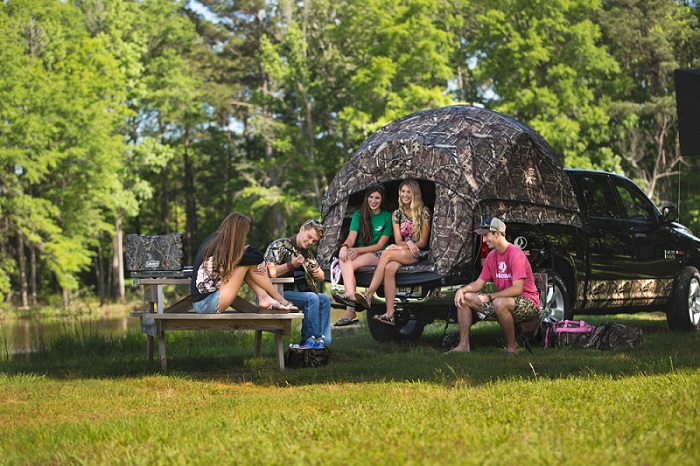
Car camping—defined as driving directly up to a designated campsite and pitching a spacious tent alongside your vehicle—is the most popular style of camping for good reason. It eliminates the brutal weight restrictions of backcountry travel while avoiding the intimidating mechanical overhead of an RV.
In a car camping setup, your vehicle serves as a secure, rolling storage locker. Because weight is not a primary concern, you can optimize your campsite for genuine domestic comfort. Instead of a cramped two-person shelter, you can erect a stand-up six-person cabin tent equipped with thick self-inflating mattresses, flannel-lined sleeping bags, and full-sized camp cots. Cooking shifts from utilitarian dehydrated meals to culinary art: dual-burner propane stoves, heavy cast-iron skillets, and multi-day rotomolded coolers make fresh steaks, morning pancakes, and cold beverages standard fare.
Car camping typically takes place in established state park, national park, or private campgrounds that provide critical basic infrastructure, including picnic tables, designated fire rings, potable water spigots, and vault or flush toilets. It acts as an ideal middle ground for beginners, families with young children, and casual weekenders who want to hike, fish, and sit around a campfire without sacrificing basic creature comforts. The compromise comes in privacy. Drive-up campground loops can be lively and loud, with neighboring tents often pitched within earshot and vehicle doors clicking open and shut throughout the night.
RV and Camper Travel: Self-Contained Mobility and Modern Living
Recreational vehicle travel encompasses a wide spectrum of motorized rigs and towable units, including teardrop trailers, converted camper vans, fifth wheels, and massive Class A motorhomes. The core philosophy of RVing is simple: bring your own climate-controlled shelter, kitchen, and bathroom with you wherever the road leads.
The primary appeal of an RV is uninterrupted consistency across changing landscapes. If you arrive at a trailhead or lakeside spot in the middle of a torrential downpour, you do not have to struggle with wet tent stakes or soggy tarps. You step inside, flip on the LED lights, adjust the thermostat, and brew a hot cup of tea. RVs offer genuine beds, hot running water, private flush toilets, interior showers, and full refrigeration. For travelers with mobility limitations, remote workers needing reliable off-grid power, long-term cross-country road trippers, and those who simply dislike sleeping on the ground, an RV turns the outdoors into a scenic backdrop for comfortable living.
However, that luxury introduces substantial mechanical and logistical complexity. RVing requires managing freshwater tanks, monitoring battery levels, and regularly emptying black and gray wastewater tanks at designated sewer dump stations. Large trailers and motorhomes are difficult to maneuver through tight mountain passes, impossible to park in urban centers, and strictly banned from older, narrower national park campgrounds with tight turning radiuses. Furthermore, operational costs are significant: fuel efficiency drops dramatically, and fully serviced RV sites often command nightly rates comparable to budget hotels.
The Core Decision Framework
To determine which method suits your travel style, weigh these three critical variables against your lifestyle:
Budget and Upfront Capital
Car camping has the lowest barrier to entry. A reliable family tent, basic sleeping pads, a two-burner stove, and simple camp chairs can be assembled for a modest investment, and the gear can be stored in a closet. Dedicated backpacking gear requires higher-grade, ultralight materials, which elevates costs despite the smaller physical footprint. RV travel sits at the extreme high end of the financial spectrum, demanding major capital for vehicle purchase or rental, specialized insurance, seasonal maintenance, winterization, and secure off-season storage.
Route Flexibility and Spontaneity
Tent campers, particularly those utilizing dispersed public lands or primitive forest sites, enjoy immense route freedom. You can easily squeeze a tent into small clearings or adjust plans on short notice. Large RVs, conversely, require rigorous advance planning. Popular RV parks and national park sites with electrical hookups and fifty-foot pull-through pads often book out six to twelve months in advance, locking you into a rigid itinerary.
Daily Setup and Breakdown Fatigue
A frequently overlooked factor is daily labor. Pitching, staking, and breaking down a sprawling multi-room car camping tent every morning becomes exhausting on fast-moving road trips where you change locations daily. For multi-stop itineraries, a camper van or small travel trailer offers superior efficiency, as you simply park, engage the brake, and rest. Conversely, if you plan to base yourself at a single picturesque lakeside campground for an entire week, a comfortable car camping basecamp provides maximum enjoyment with minimal daily maintenance.
The best choice is rarely permanent. Many outdoor enthusiasts maintain lightweight tent setups for rugged solo trips into the wilderness, rely on car camping setups for rowdy group weekends with friends, and transition to rented camper vans when tackling multi-week cross-country explorations. Match your shelter to the demands of your itinerary, your companions, and your personal tolerance for dirt and weather, and the outdoors will always welcome you on your own terms.