

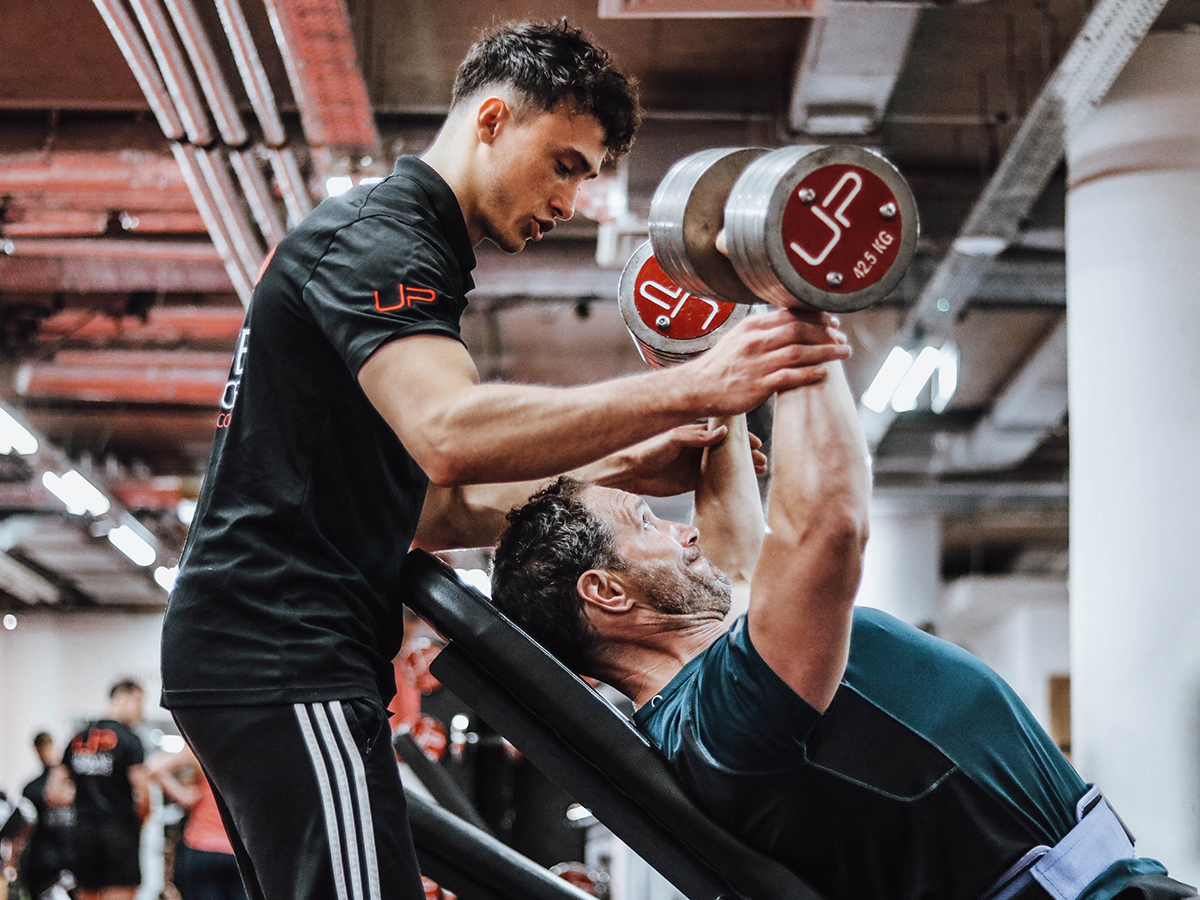
Singapore has steadily positioned itself as a global hub not only for business and finance, but also for health-focused travel and long-term professional relocation. Executives, entrepreneurs, digital professionals, and medical tourists increasingly choose Singapore for extended stays that blend work, recovery, and lifestyle optimisation. In this environment, access to structured fitness facilities becomes more than a convenience. A fitness gym singapore plays a central role in helping visitors and expatriates maintain routine, manage stress, and support long-term wellbeing while living or working away from home.
Unlike short holiday travel, health tourism and expatriate life involve weeks or months of adjustment. Diets change, daily movement patterns shift, and stress levels can rise due to unfamiliar surroundings or demanding professional schedules. A consistent gym environment provides stability and continuity during this transition, helping individuals stay grounded physically and mentally.
Why Health Tourism Is Growing in Singapore
Singapore’s reputation for safety, infrastructure, healthcare standards, and lifestyle quality has made it a preferred destination for health-focused travel. Visitors arrive not only for medical procedures, but also for rehabilitation, wellness resets, and preventive care.
Key drivers of health tourism include:
-
World-class healthcare and medical services
-
Clean urban environment with strong safety standards
-
High-quality accommodation and transport infrastructure
-
Cultural acceptance of fitness and wellness lifestyles
For many health tourists, recovery and maintenance extend beyond clinical treatment. Structured physical activity becomes an essential part of the healing and optimisation process.
The Unique Fitness Needs of Health Tourists
Health tourists often have specific physical requirements. Some may be recovering from procedures, others managing chronic conditions, and some simply aiming to reset habits during an extended stay.
Their fitness needs typically include:
-
Controlled, low-risk training environments
-
Access to equipment that supports gradual progression
-
Clean, well-maintained facilities
-
Flexible schedules that accommodate medical appointments
A professional gym environment offers the predictability and safety required for this demographic, reducing the risk associated with unsupervised or improvised exercise.
Expatriate Life and the Challenge of Maintaining Fitness Routines
Expatriates relocating to Singapore often experience major lifestyle changes. New work cultures, longer commutes, and unfamiliar food environments can disrupt established health habits.
Common challenges faced by expats include:
-
Loss of routine during the relocation phase
-
Increased dining out and inconsistent nutrition
-
High work demands in competitive industries
-
Reduced social support during early months
Joining a gym early in the relocation process helps establish structure. Regular training sessions anchor the week and provide a sense of normalcy in a new environment.
Fitness as a Social Connector for Expats
Beyond physical benefits, gyms serve as important social spaces for expatriates. Training environments create opportunities to meet people with similar lifestyles and priorities, easing the social transition.
Social benefits include:
-
Informal networking with professionals across industries
-
Shared group classes that reduce isolation
-
Exposure to local and international communities
-
A sense of belonging beyond the workplace
This social aspect is particularly valuable for newcomers who may not yet have established personal networks in Singapore.
Supporting High-Performance Lifestyles for International Professionals
Many expatriates in Singapore hold senior or high-responsibility roles. Their performance depends on sustained energy, mental clarity, and stress management.
Gym-based training supports these demands by:
-
Improving sleep quality through physical fatigue regulation
-
Enhancing stress tolerance through regular exercise
-
Supporting posture and joint health during long work hours
-
Providing a constructive outlet for mental pressure
Fitness becomes a performance tool rather than a leisure activity, especially for professionals managing global responsibilities.
Health Tourism Beyond Medical Procedures
Health tourism is not limited to surgery or clinical treatment. Many visitors come to Singapore for wellness-focused stays, combining fitness, nutrition, and recovery.
These visitors often seek:
-
Structured exercise environments they can trust
-
Access to modern training equipment
-
Clean and hygienic facilities
-
Flexible membership options for short or medium stays
A gym environment complements wellness itineraries by providing continuity between treatments, nutrition planning, and recovery protocols.
Maintaining Consistency During Long-Term Stays
Consistency is the foundation of any fitness outcome. For health tourists and expats, consistency is often disrupted by travel schedules, work demands, and unfamiliar routines.
Gyms help restore consistency by:
-
Offering predictable training spaces
-
Providing flexible access across different times of day
-
Reducing reliance on outdoor conditions or improvised workouts
-
Supporting habit formation through structured environments
When training becomes a fixed part of the week, health goals are easier to maintain regardless of location.
Cultural Adaptation Through Fitness
Fitness culture in Singapore is diverse and inclusive. Expatriates often find that gym environments help them integrate into local lifestyle patterns more smoothly.
Cultural benefits include:
-
Exposure to Singapore’s health-conscious norms
-
Shared routines that transcend language barriers
-
Respect for discipline, punctuality, and consistency
-
Mutual motivation across multicultural communities
This integration supports both physical and social wellbeing during long-term stays.
The Role of Facility Quality in Health Tourism Decisions
Health tourists and expats are often discerning about the environments they choose. Cleanliness, equipment quality, and professionalism influence whether they feel comfortable committing to a facility.
Important factors include:
-
Hygiene standards that align with medical recovery needs
-
Equipment variety that supports different fitness levels
-
Spacious layouts that reduce overcrowding
-
Professional atmosphere that prioritises safety
High-quality gym facilities enhance Singapore’s appeal as a health and wellness destination.
Supporting Recovery and Rehabilitation Through Controlled Training
Many health tourists require controlled movement rather than aggressive workouts. A gym environment allows for careful progression under predictable conditions.
Benefits include:
-
Access to low-impact cardio equipment
-
Resistance machines that control movement paths
-
Space for mobility and recovery-focused sessions
-
Reduced risk compared to outdoor or unsupervised training
This makes gym training suitable for individuals transitioning from rehabilitation back into regular physical activity.
Long-Term Wellness for Expats Settling in Singapore
For expatriates planning multi-year stays, fitness habits established early often determine long-term health outcomes. Regular training supports not only physical fitness but also resilience to lifestyle stressors.
Long-term benefits include:
-
Reduced risk of chronic pain from sedentary work
-
Better weight management despite dining-heavy social culture
-
Improved mental wellbeing and emotional regulation
-
Greater sense of balance between work and personal life
Facilities like True Fitness Singapore support these outcomes by providing consistent environments where routines can evolve alongside changing goals and schedules.
FAQ: Fitness Gyms, Health Tourism, and Expat Life in Singapore
Why is gym access important for health tourists?
Health tourists often need safe, controlled environments to support recovery, maintain mobility, and stay active without risking setbacks.
Can expats benefit from joining a gym immediately after relocation?
Yes. Early gym membership helps establish routine, manage relocation stress, and create social connections outside of work.
Are gyms suitable for people recovering from medical procedures?
Many gym activities can be adapted for recovery phases, provided training intensity is managed carefully and progression is gradual.
How does fitness support mental wellbeing during long stays abroad?
Regular exercise improves mood, sleep quality, and stress management, which are especially important during cultural and professional transitions.
Do gyms help with work-life balance for expatriates?
Yes. Scheduled training sessions create boundaries between work and personal time, supporting healthier daily structure.
Is health tourism only about medical treatment?
No. Many visitors travel for preventive health, lifestyle optimisation, and wellness-focused stays that include structured fitness routines.
How does fitness culture help expats integrate into Singapore life?
Shared fitness routines provide social interaction, cultural exposure, and a sense of belonging that supports smoother adaptation.