

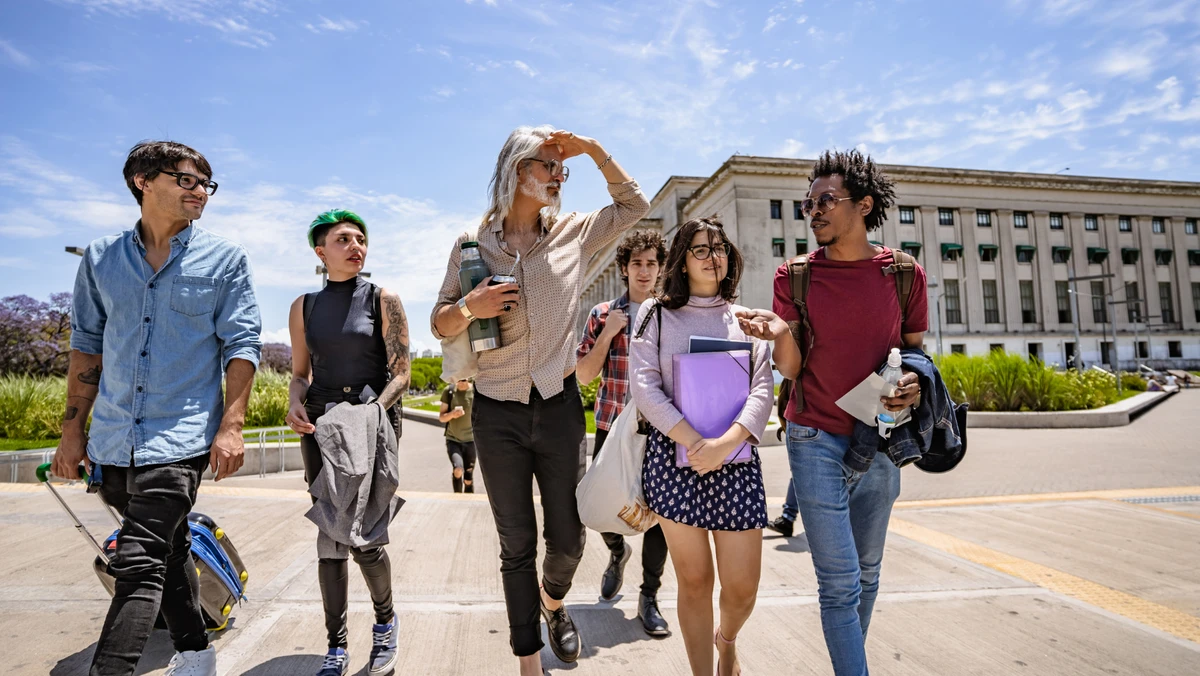
The role of a tour guide has evolved far beyond reciting facts or leading groups through monuments. In the modern travel landscape, the new generation of explorers seeks emotional connection, sensory engagement, and storytelling that turns a simple tour into a life-changing experience. Experiential tour guiding is the next frontier—one that blends creativity, culture, and innovation to craft memorable journeys that resonate deeply with travelers.
Understanding the Evolution of the Modern Tour Guide
Once, tour guides were seen as walking encyclopedias—repositories of historical data and logistical coordinators. Today, their purpose is much broader and more artistic. Travelers crave authentic immersion, local connection, and personal storytelling that reflects the true spirit of a place. The modern tour guide acts as a bridge between cultures, guiding not just through space, but through emotion and understanding.
Why Traditional Guiding Is Losing Its Appeal
Modern audiences are no longer impressed by rehearsed scripts or generic routes. They want more than sightseeing—they want sight-feeling. A guide who merely provides facts risks losing engagement, while those who can transform a location into a living narrative are remembered for life. The key difference lies in how information is delivered—through stories, emotion, and sensory experience rather than rote data.
Storytelling as the Heartbeat of Experiential Guiding
The strongest tours today are not routes; they are narratives. Storytelling gives meaning to movement and emotion to memory. When a guide integrates historical facts with folklore, humor, and cultural context, the traveler feels connected, not just informed.
How to Build Story-Driven Tours
-
Create a central narrative arc: Every tour should have a beginning, middle, and emotional climax.
-
Use human stories: Replace abstract facts with personal tales—locals’ experiences, traditions, or legends.
-
Incorporate pauses and reflection: Let silence and scenery enhance the story’s emotional weight.
-
Encourage participation: Ask travelers to share thoughts, make observations, or even take part in mini role-plays that bring the story to life.
A guide who can weave an evolving story across multiple stops transforms a journey from observation to participation—something that algorithms and AI translation devices can never replicate.
Sensory Design: Engaging Beyond the Visual
Most tours focus heavily on what can be seen, yet the human memory is triggered by multi-sensory experiences. Smell, touch, sound, and taste are powerful emotional anchors. Successful tour guides use these elements to make destinations unforgettable.
Techniques for Sensory Engagement
-
Soundscapes: Use ambient sounds—local music, birdsong, or traditional instruments—to enrich the atmosphere.
-
Taste integration: Introduce local snacks, teas, or street foods tied to cultural history.
-
Touch-based interaction: Let travelers handle artifacts, fabrics, or tools used by locals.
-
Scent association: Incorporate fragrances like local spices, incense, or natural aromas that evoke place-specific memory.
By intentionally crafting sensory layers, a tour becomes a living, breathing story, engaging every sense and deepening emotional impact.
Integrating Technology Without Losing Authenticity
Technology has become an ally for modern guides, but using it effectively requires balance. Overuse can break immersion, yet strategic integration can enhance understanding and engagement.
Smart Ways to Use Technology in Tours
-
Augmented Reality (AR): Bring historical moments to life—imagine ruins reconstructed digitally through AR glasses.
-
QR-coded storytelling: Let travelers access short videos, sound bites, or oral histories on their phones.
-
Live translation apps: Enable real-time multilingual communication while maintaining personal warmth.
-
Data-based personalization: Use traveler interests or behavior analytics to tailor experiences dynamically.
The future of tour guiding isn’t digital—it’s human-centered digital. Technology should amplify empathy, not replace it.
Emotional Intelligence: The Invisible Skill That Defines Great Guides
The best tour guides are not defined by their voice, knowledge, or charisma alone, but by their emotional intelligence (EQ). Empathy, adaptability, and perception allow a guide to read the group’s energy, sense boredom or excitement, and shift tone accordingly.
Core Emotional Intelligence Traits for Tour Guides
-
Empathy: Understanding diverse backgrounds and travel motivations.
-
Adaptability: Adjusting pacing, storytelling, or humor based on audience feedback.
-
Self-awareness: Maintaining composure under stress or cultural misunderstandings.
-
Cultural sensitivity: Avoiding stereotypes, showing respect for traditions, and promoting inclusion.
Guides who master EQ create an environment of trust and comfort, making travelers feel emotionally safe and connected.
The Art of Cultural Interpretation
One of the most sophisticated skills in modern guiding is cultural interpretation—not just showing culture, but helping travelers understand and relate to it. This requires contextual storytelling that bridges cultural gaps.
Approaches to Deep Cultural Interpretation
-
Relate the unfamiliar to the familiar: Draw parallels between travelers’ home cultures and local practices.
-
Invite dialogue, not lectures: Encourage discussion about customs and beliefs rather than dictating them.
-
Highlight living culture: Focus on people actively shaping their communities, not just traditions of the past.
This approach turns the guide into a cultural ambassador, fostering mutual respect and cross-cultural appreciation.
Designing Transformative Tour Experiences
Experiential guiding is not about entertainment—it’s about transformation. The question every tour guide should ask is: How will this experience change my travelers?
Transformative tours create self-reflection and meaning. For instance, a guide in a remote village may lead travelers through a traditional meal-preparation ritual—not for show, but to spark gratitude, mindfulness, or understanding of sustainability.
Elements of a Transformative Tour
-
Personal participation rather than observation
-
Emotional storytelling tied to universal human themes
-
Mindful pacing that allows reflection and connection
-
Post-tour debriefing to reinforce key insights
Guides who create these journeys shape not just memories but perspectives.
Sustainable Guiding Practices: Protecting What You Present
The future of tour guiding also depends on sustainability—not just environmental, but cultural and social sustainability. Guides play a vital role in preserving the authenticity of the communities they represent.
How Guides Can Champion Sustainable Tourism
-
Educate travelers about responsible behavior and local etiquette
-
Partner with community-run initiatives rather than large operators
-
Promote off-peak and lesser-known destinations to reduce overcrowding
-
Encourage eco-friendly habits such as waste reduction and respectful photography
By aligning purpose with practice, guides ensure tourism remains beneficial to both visitors and hosts.
Building a Signature Guiding Style
Every expert guide eventually develops a unique guiding signature—a recognizable voice, approach, or philosophy that distinguishes them from others. It could be humor, immersive dramatization, poetic narration, or research-based interpretation.
Defining this signature involves experimentation, feedback, and passion. When travelers remember not just what they saw, but who guided them, your work has transcended professionalism—it has become artistry.
FAQs About Experiential Tour Guiding
1. How can a guide transition from traditional to experiential tours?
Start by re-evaluating your scripts and adding emotional storytelling, interactivity, and cultural context to existing routes.
2. What role does empathy play in modern guiding?
Empathy allows guides to read their audience’s emotions, respond intuitively, and foster authentic human connection throughout the journey.
3. Can technology replace live guides?
No. While technology can enhance accessibility and engagement, human intuition, humor, and adaptability remain irreplaceable.
4. How can sensory engagement be added to a standard walking tour?
Incorporate local sounds, scents, textures, and tastes—such as ambient music, spice samples, or traditional crafts—to activate memory and emotion.
5. What mistakes do experienced guides make when designing immersive tours?
Overloading travelers with facts, neglecting reflection time, or ignoring group dynamics often diminishes the emotional impact.
6. How can guides support sustainability while enhancing traveler satisfaction?
By educating visitors, promoting community-based tourism, and choosing eco-conscious partnerships that respect local ecosystems and traditions.
7. What defines success in experiential guiding?
When travelers return home with changed perspectives—not just beautiful photos—your tour has succeeded in its true purpose.